Choosing plants that suit your site, climate and the way you live
Native plants can be a great fit for Hunter Valley gardens. However, creating a successful native garden isn’t simply about filling a garden with Australian plants.
The right plants need to suit the conditions they’re growing in.
Soil type, sunlight, water, exposure, available space and the way you use your garden can all influence which plants will perform well.
In fact, the Newcastle and Lower Hunter plant guide recommends selecting plants according to local conditions rather than treating native planting as a one-size-fits-all approach.
This guide explains how to approach native plants in the Hunter Valley, from choosing the right plants for your site through to creating a layered, water-wise garden that works with your home.
Before choosing a plant, start by looking at the space where it will actually grow.
Download the Hunter Valley Native Garden Guide
Want to dig a little deeper?
Download our free guide for practical tips on choosing native plants, understanding your site, creating a water-wise garden and knowing when to plant.
Start With the Site
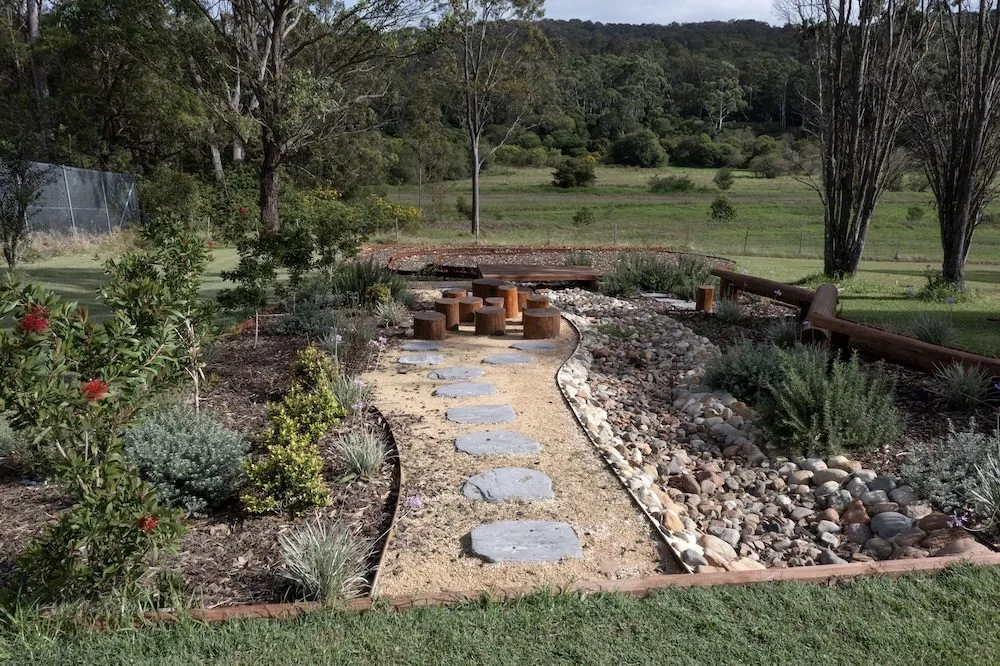
The Hunter Valley and surrounding areas contain a mix of coastal, inland, wetland, sandy and heavier-soil environments. Even within the same suburb, conditions can change from one part of a property to another.
Native doesn’t automatically mean local. A plant that thrives in one part of the Hunter may not be the right choice for another. Soil, sunlight, water and garden position can all influence what will thrive.
The goal is simple: choose the right plant for the right spot.
Before choosing what to plant, look at:
Sun
How much direct sunlight does the area receive?
Water
Is the area naturally dry, damp or somewhere in between?
Soil
Are you working with sandy soil, heavier clay or something else?
Exposure
Is the garden exposed to wind, weather or surrounding conditions?
Space
How much room will the plant actually have as it matures?
The way you live
Will the area be used for entertaining, children, pets, privacy or simply enjoying the garden?
The golden rule
Choose the right plant for the right spot.
A plant that thrives in one part of the Hunter may not be the right choice for another.
That’s why native plants in the Hunter Valley aren’t a one-size-fits-all solution.
For more information, the Reliable Plant Guide for the Newcastle and Lower Hunter areas provides local guidance on plant selection and site conditions. (Environment and Heritage)
What Makes a Good Native Garden?
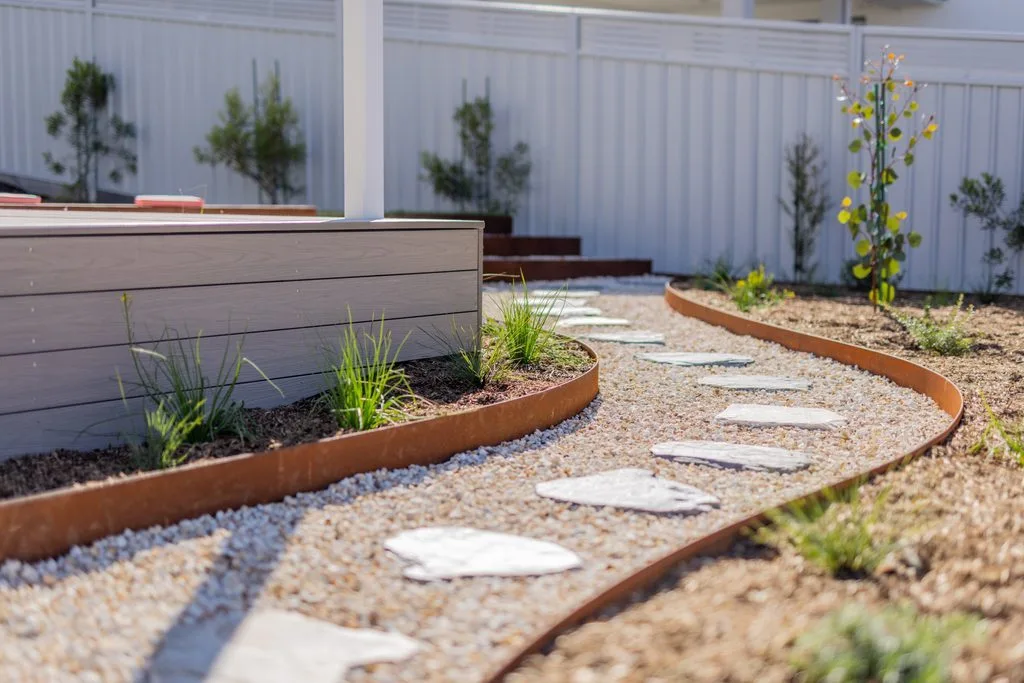
A native garden isn’t just about the plants.
Instead, the planting needs to work with the wider landscape.
That means considering:
- Landform
- Materials
- Privacy
- Movement through the garden
- Outdoor living areas
- Views
- Your home’s architecture
- Maintenance
- How the garden will change over time
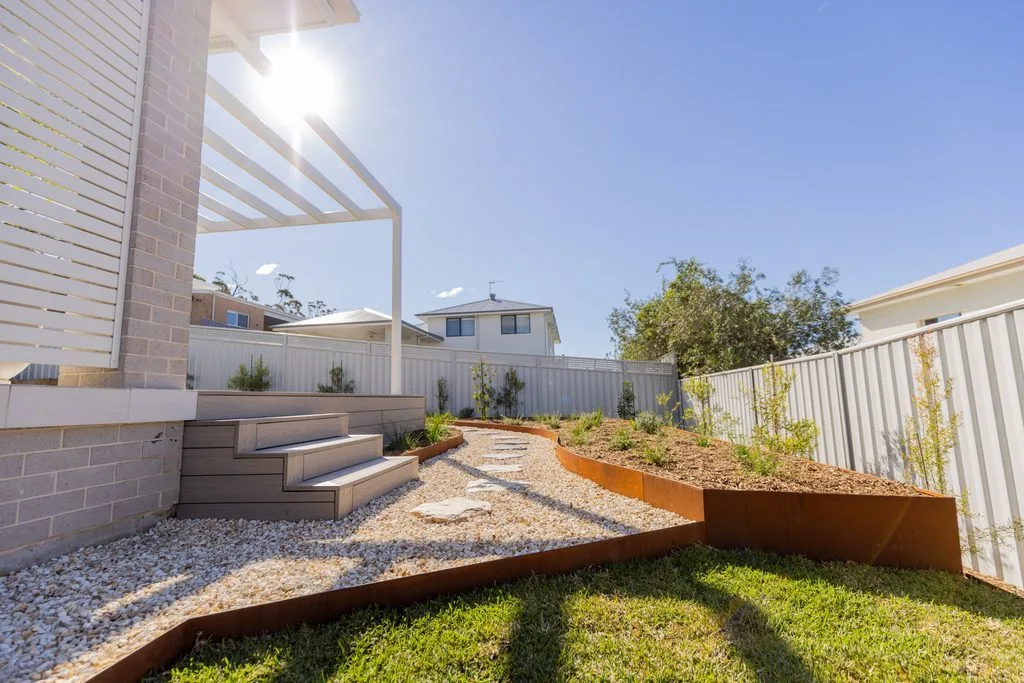
As a result, good native garden design brings all of these elements together rather than treating planting as a separate feature.
JRL’s Landscape Design Services take a similar whole-site approach, with landscape designs developed around the property, lifestyle, budget and practical requirements of the project.
Build Your Planting Palette

Layer 1 · Canopy
Trees
Trees can create:
Mature size matters. A tree that looks right when planted can eventually become too large for a small suburban garden.

Layer 2 · Middle
Shrubs
Shrubs create the middle layer of the garden. They can provide:

Layer 3 · Texture
Grasses and strappy plants
These can add movement, texture and structure, particularly when used through mass planting.

Layer 4 · Colour
Flowering plants
Flowering plants can bring seasonal colour while also providing habitat for birds and pollinators.

Layer 5 · Ground
Groundcovers
Groundcovers can soften edges, fill gaps and help connect different parts of the garden.
Together, these layers create a garden that feels more established and connected to its surroundings.
Native Plants to Consider in the Hunter Valley
The Lower Hunter is home to a wide range of plants suited to different conditions. However, suitability always depends on the specific site, soil, exposure and intended use.
Some plants to consider include:

Lomandra longifolia
Hardy, structural and versatile, Lomandra can work through garden beds and help create a strong lower layer.

Dianella caerulea
A clumping plant with blue flowers and blue fruit that can add colour and texture.

Themeda australis
A local native grass that brings movement and a softer, more natural character.

Westringia fruticosa
A useful native shrub for structure, screening and a more formal garden style.

Hardenbergia violacea
A native climber that can add vertical interest and seasonal colour.

Chrysocephalum apiculatum
A flowering native perennial that adds a brighter layer to planting schemes.
Remember: choosing a plant because it is native doesn’t automatically mean it will suit your property. Always consider the mature size, soil, sunlight, water requirements and available space before planting.
Water-Wise Native Gardening
A water-wise garden can still feel lush, layered and full of life.
The secret isn’t simply choosing plants labelled as “drought tolerant”. Instead, the plants, soil, irrigation and water requirements need to work together.
1. Choose for the conditions
Not every native plant is drought tolerant.
Rainforest, creekline and wetland species can have very different moisture requirements from plants adapted to dry conditions.
2. Group plants with similar water needs
Grouping plants according to their water requirements allows irrigation to target specific areas rather than treating the entire garden the same way.
3. Water deeply
New plants need more attention while they’re establishing.
Slow, deep watering encourages roots to move further into the soil. As plants establish, watering can generally become less frequent.
4. Protect the soil
Mulch can help conserve moisture and maintain more consistent soil conditions.
5. Watch the weather
Don’t water simply because it’s “watering day”.
Instead, consider rainfall, soil moisture, plant requirements and the conditions your garden is experiencing.
A simple rule:
Water the plant, not the calendar.
When Should You Plant Native Plants?
There isn’t one perfect planting day for every native plant.
Each season brings different conditions, and some plants will establish better at certain times of the year.
Autumn | March–May
A useful time to plant many natives. The soil is still warm, rainfall can be more reliable and plants have time to establish before summer heat.
Winter | June–August
Cooler conditions can be ideal for planting, particularly trees, shrubs and grasses. Lower heat stress can give new plants a chance to settle in.
Spring | September–November
Warmer days and increasing rainfall can support strong new growth. It’s also a popular time for adding colour to the garden.
Summer | December–February
Planting can still be done, but extra care may be needed. New plants may require more frequent watering during hot, dry conditions.
Ultimately, local conditions matter more than following a calendar.
A Native Garden Should Feel Like It Belongs There
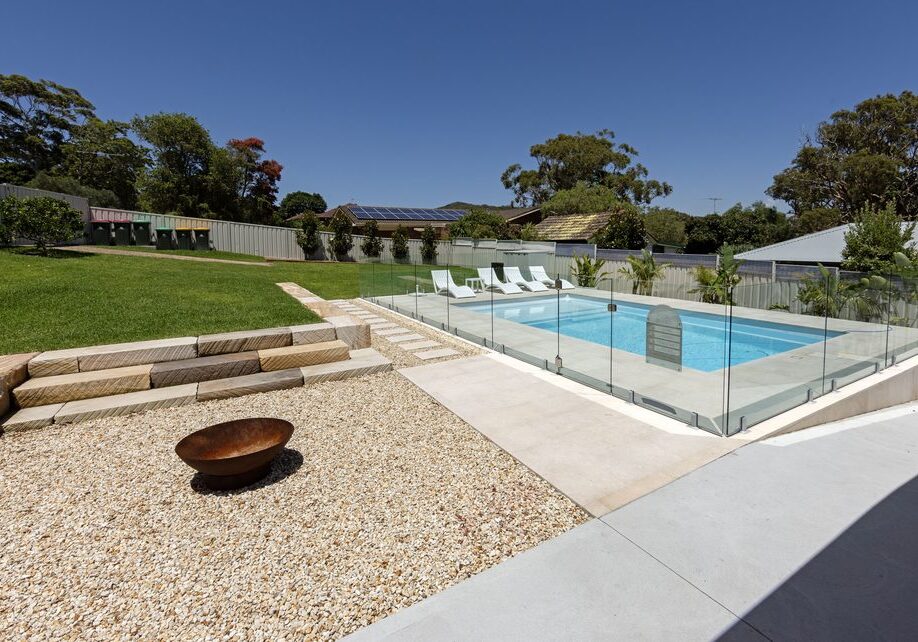
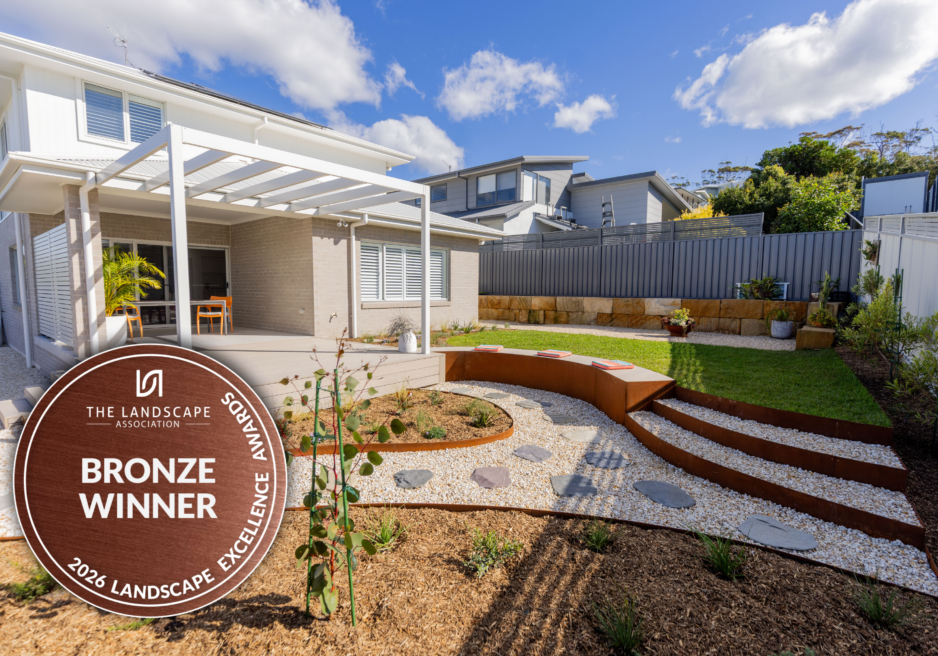
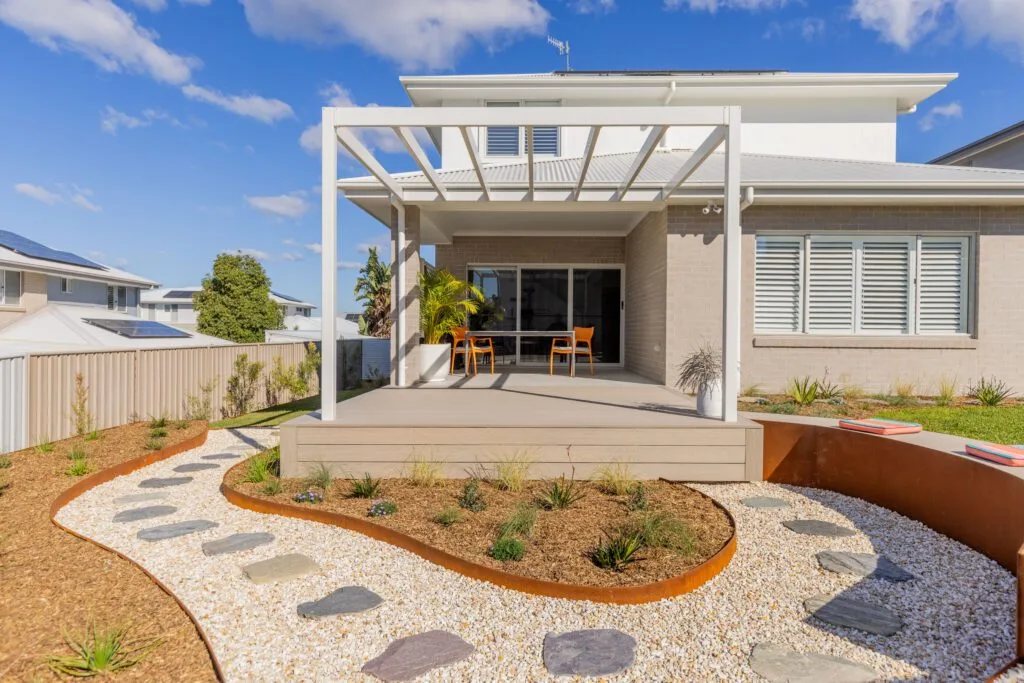
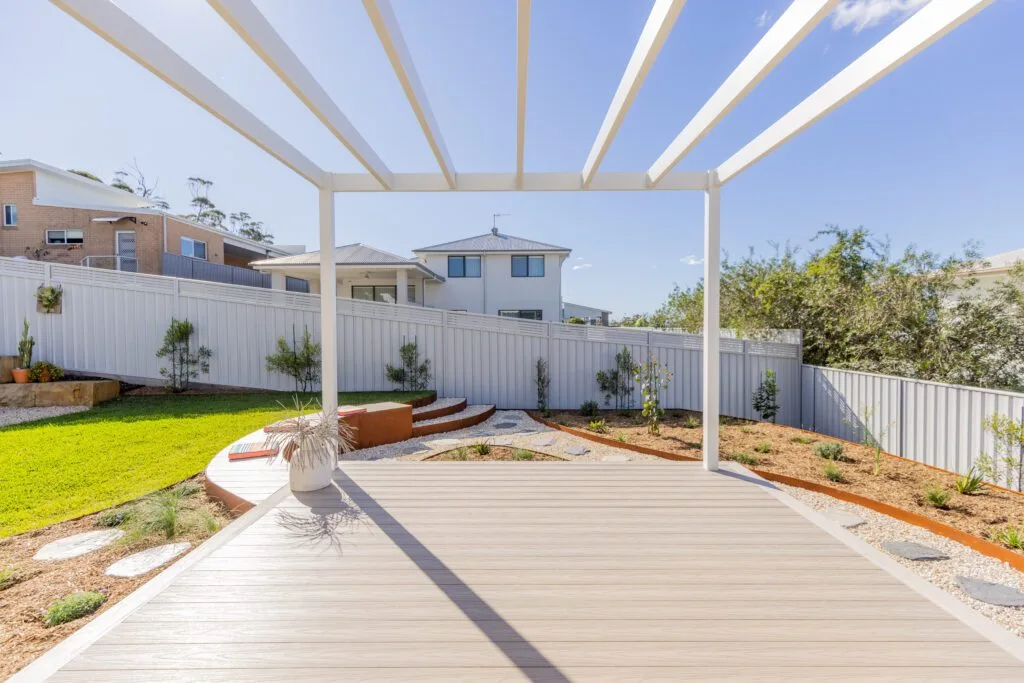
One of the best examples of this approach can be seen in JRL’s Native Garden Design Corlette project.
The clients wanted more than a garden that simply looked native. They wanted a genuine sanctuary they could step into every day, attract birds and wildlife, create privacy and still protect the property’s beautiful views.
The site presented a significant challenge: a steep, exposed block with limited privacy.
Rather than fighting the slope with bulky structural retaining walls, JRL shaped the land into a series of natural terraces.
The finished landscape included:
- 221m² of locally suited native planting
- Natural terraces
- Composite decking
- An open pergola
- Curved corten steel seating
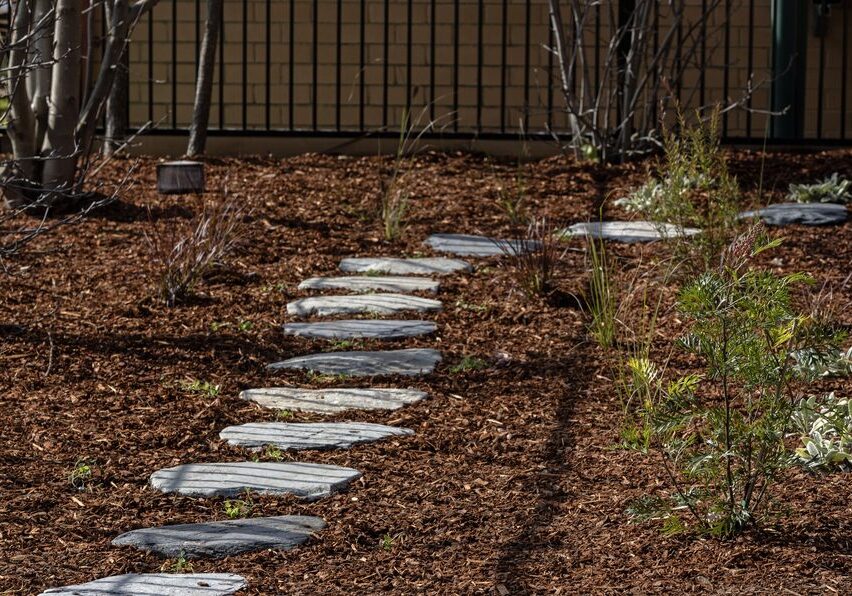
- Stepping-stone paths
- Sculptural boulders
- Integrated garden edging
- Planting designed to support privacy and wildlife
The result was a garden that responded to the site rather than trying to hide it.
Think Beyond the Garden’s First Year
One of the easiest things to overlook when choosing plants is mature size.
The plant you buy today isn’t the size of the garden you’ll have tomorrow.
Before planting, think about:
- How large the plant will become
- How much shade it may eventually create
- Whether it will interfere with paths or structures
- How much privacy you want over time
- How much pruning it will require
- How the garden will change as plants mature
The Hunter Valley Native Garden Guide specifically highlights mature size as an important consideration, particularly in smaller suburban gardens.
Planning for five or ten years from now can make a significant difference to how well the garden performs.
Before You Start: A Native Garden Checklist
Before choosing your plants, ask yourself:
Does it suit my site?
Consider
- Sun
- Soil
- Water
- Slope
- Exposure
Does it support the life I want?
Think about
- Birds
- Pollinators
- Habitat
- Biodiversity
Can I maintain it?
Consider
- Watering
- Pruning
- Ongoing care
Does it work with my home?
Look at
- Architecture
- Views
- Outdoor living areas
- Existing landscape
Will it still work in five years?
Think about
- Mature size
- Shade
- Privacy
- How the garden will change
These questions come directly from the final planning framework in the JRL native garden guide.
You Don’t Have to Figure It All Out Yourself
Choosing native plants in the Hunter Valley is only one part of creating a successful garden.
The planting also needs to work with the property’s landform, materials, access, outdoor living areas, privacy and the way you want to use the space.
At Jason Reading Landscapes, the design and construction teams work together to create outdoor spaces that are practical, beautiful and built around the way you live.
If you’re planning a native garden and aren’t sure where to start, you can explore JRL’s landscape design services to see how the design process can bring those different considerations together.
Frequently Asked Questions
What are the best native plants for the Hunter Valley?
There isn’t one list of plants that will work for every Hunter Valley property. Plant selection depends on factors including soil, sunlight, water, exposure, space and intended use.
Plants to consider include Lomandra longifolia, Dianella caerulea, Themeda australis, Westringia fruticosa, Hardenbergia violacea and Chrysocephalum apiculatum.
Are all Australian native plants suitable for the Hunter Valley?
No. Native doesn’t automatically mean local or suitable for every site.
The right plant depends on the conditions where it will grow. The Newcastle and Lower Hunter plant guide similarly recommends selecting plants according to local conditions. (Environment and Heritage)
Are native gardens low-maintenance?
Not necessarily.
Native gardens can be designed around lower water requirements and practical maintenance, but every plant still has its own watering, pruning and growing requirements.
When is the best time to plant native plants?
There isn’t one perfect time for every plant. Autumn and winter can provide favourable conditions for many plants, while spring and summer require consideration of heat, rainfall and establishment needs.
Can JRL design a native garden?
Yes. JRL provides landscape design services across Newcastle, Maitland and the Hunter Valley, with designs developed around the property, lifestyle, budget and practical requirements of the project.
Can JRL also build the garden?
Yes. JRL combines landscape design and construction, allowing the team to develop designs with construction in mind and transition from design through to the build.
Ready to Create a Native Garden That Belongs Here?
A successful native garden isn’t simply a collection of Australian plants.
It should respond to the site, work with your home, support the way you live and become more established as it grows.
If you’re planning a native garden in Newcastle, Maitland or the Hunter Valley, start with a conversation about your property, ideas and priorities.
Your local Newcastle award-winning Landscaping & Garden Design experts.
Jason Reading Landscapes is a business guided by the philosophy of owner-operator Jason Reading, who believes that an outdoor area should be stylishly designed, functional and sustainable while improving with each season.
Projects
We can transform your outdoor areas into vibrant, functional gardens and living spaces that compliment your natural environment and existing architecture.