Planning School Outdoor Spaces: Natural Play, Learning & Landscapes
Outdoor areas in a school can be much more than spaces students move through between classrooms. Thoughtful school landscaping can create places for play, outdoor learning, social interaction, quiet time, gathering and connection with the natural environment.
Whether a school is considering a complete grounds transformation or improving one area at a time, good planning is essential. The landscape needs to respond to how students use the space, the site’s characteristics, available funding, and the practical requirements of operating an active school.
This guide explores key considerations when planning school landscaping, from natural play spaces and outdoor learning environments to accessibility, planting, drainage, and staged project delivery.
If your school is ready to move from planning into design and construction, explore Jason Reading Landscapes’ school landscaping services across Newcastle, Maitland and the Hunter Valley.
Planning your school’s outdoor spaces?
Whether you’re considering a natural play space, outdoor learning area, playground, yarning circle or broader grounds improvement, there are several things to consider before getting started.
Get your free School Landscaping Info Pack
Enter your first name and email address below and we’ll send the guide straight to your inbox.
Start With How Your School Will Use The Space
Before deciding what a new outdoor area should look like, it is important to understand how the school community needs the space to function.
Consider questions such as:
- Which age groups will use the area?
- Will it primarily support play, learning, gathering or a combination of activities?
- How many students may use the area at one time?
- Are there existing areas of the school grounds that are underused?
- How do students currently move through the site?
- Is additional shade required?
- Are there drainage, access or level issues?
- Does the school want to create more opportunities for connection with nature?
- Could the area support outdoor teaching and learning?
- Will the project need to be delivered progressively as funding becomes available?
Thinking about these questions early can help ensure the landscape responds to genuine needs rather than simply filling an available area with individual features.
Consider The School Grounds As A Whole
It can be tempting to approach school improvements one feature at a time.
A school might initially want a new playground, yarning circle or outdoor learning area, but it is worth considering how that feature connects with the wider school grounds.
Ask:
- How will students access the area?
- What spaces surround it?
- Will future projects need to connect with it?
- Is additional shade required?
- Could planting improve the surrounding environment?
- Are there drainage or accessibility issues nearby?
- Could future funding allow the area to expand?
Developing an overall landscape vision can help schools avoid creating isolated spaces and allow individual projects to contribute towards a more cohesive outdoor environment.
For larger projects, working with an experienced school landscape design and construction team can help ensure design decisions account for future construction, budgets, and staging from the beginning.
Natural Play Spaces For Schools
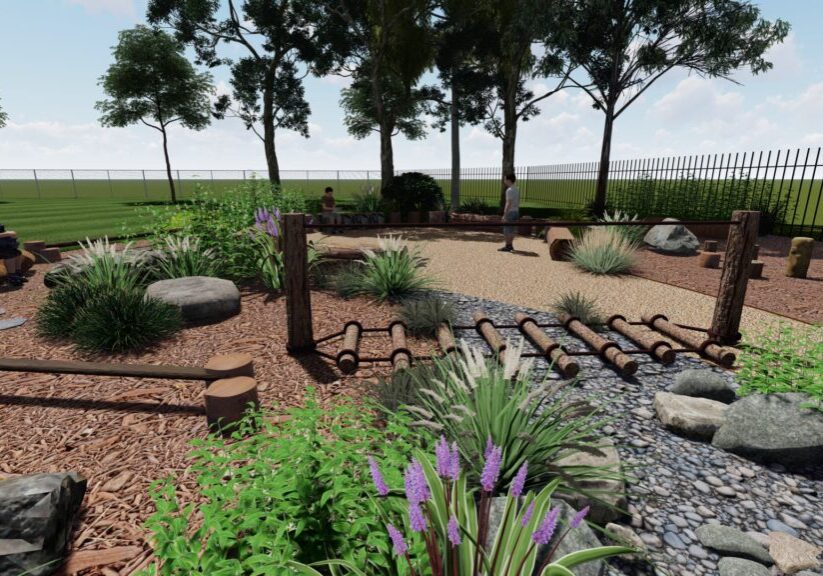
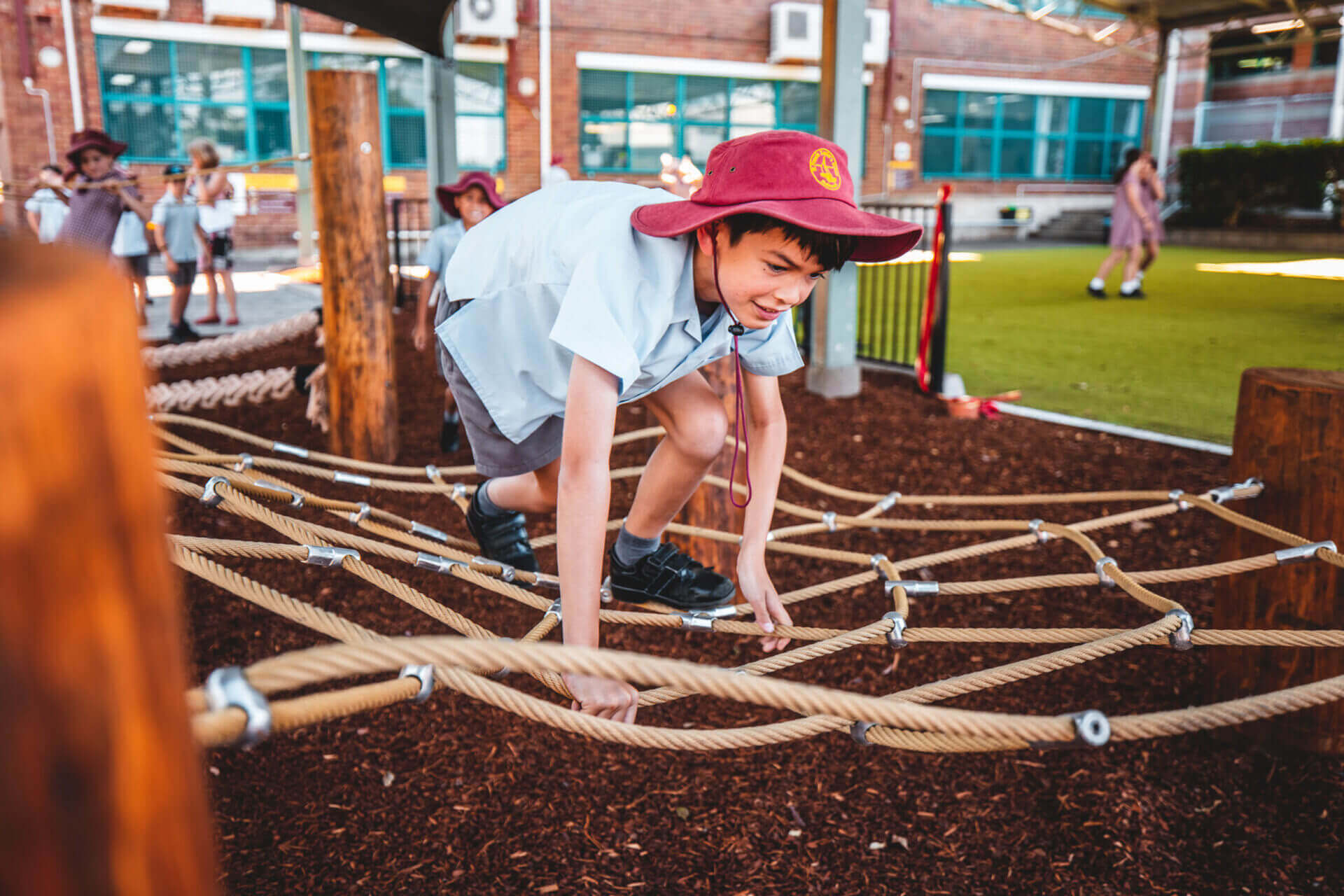
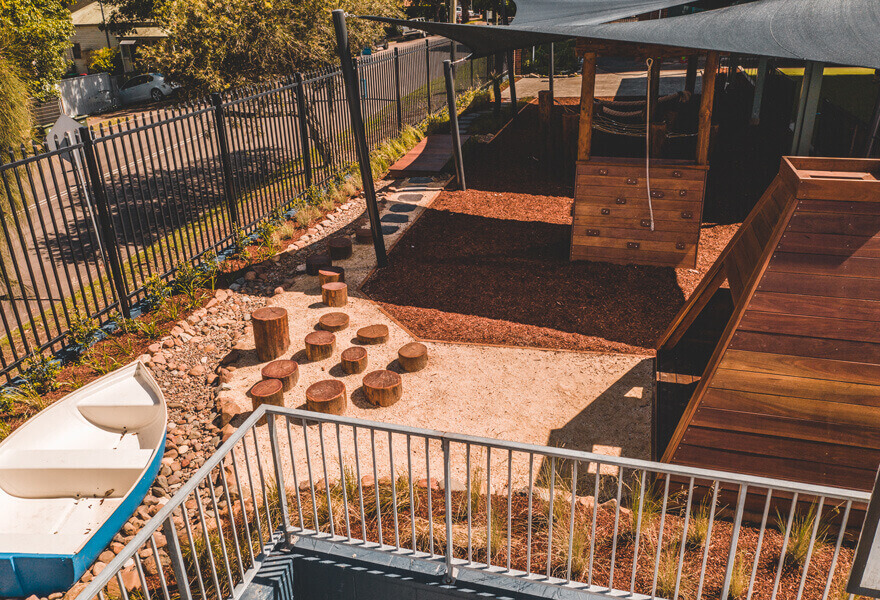
Natural play spaces use landscape elements and natural materials to encourage exploration, movement and imaginative play.
Depending on the site and age group, these spaces may incorporate:
- Logs
- Boulders
- Planting
- Changes in level
- Balancing elements
- Pathways
- Open areas
- Informal seating
- Natural textures and materials
Unlike highly prescriptive play environments, natural play spaces can give students opportunities to interact with the landscape in different ways.
When planning a natural play area, schools should consider how each element works within the wider space. Circulation, visibility, drainage, materials, maintenance requirements and connections with surrounding areas should all form part of the planning process.
You can also see how these ideas have been applied in completed projects such as the Hamilton North Public School natural play space and Minmi Public School landscaping project.
Planning A School Playground
Good playground planning starts with understanding how students will move through and interact with the space.
Rather than simply adding individual pieces of play equipment or landscape features, consider the playground as a complete environment.
This may include:
- Areas for active play
- Natural play elements
- Informal seating
- Gathering areas
- Planting and shade
- Paths and circulation
- Changes in level
- Areas for imaginative play
- Connections with outdoor learning spaces
The existing site will also influence what can be achieved.
A large, flat open space will require a different design response than a sloping site, an existing courtyard, or an area constrained by buildings, services, and pathways.
Considering construction requirements during the design stage can also help ensure concepts remain practical, buildable and appropriate for the available budget.
For schools considering a larger playground transformation, JRL’s school landscaping services include landscape design, documentation, project staging and construction.
Creating Outdoor Learning Environments
Outdoor learning doesn’t have to mean recreating an indoor classroom outside.
Successful outdoor learning spaces can give teachers and students flexible environments that support different activities throughout the school day.
Depending on the school’s needs, an outdoor learning environment might incorporate:
- Informal seating
- Shaded gathering areas
- Planting
- Sensory landscape elements
- Yarning circles
- Natural materials
- Areas for group activities
- Spaces where students can observe and interact with nature
The intended use of the area should guide its design.
A space intended for a whole class will have very different requirements from a smaller area designed for quiet activities, reading, or small-group learning.
Yarning Circles And Gathering Spaces
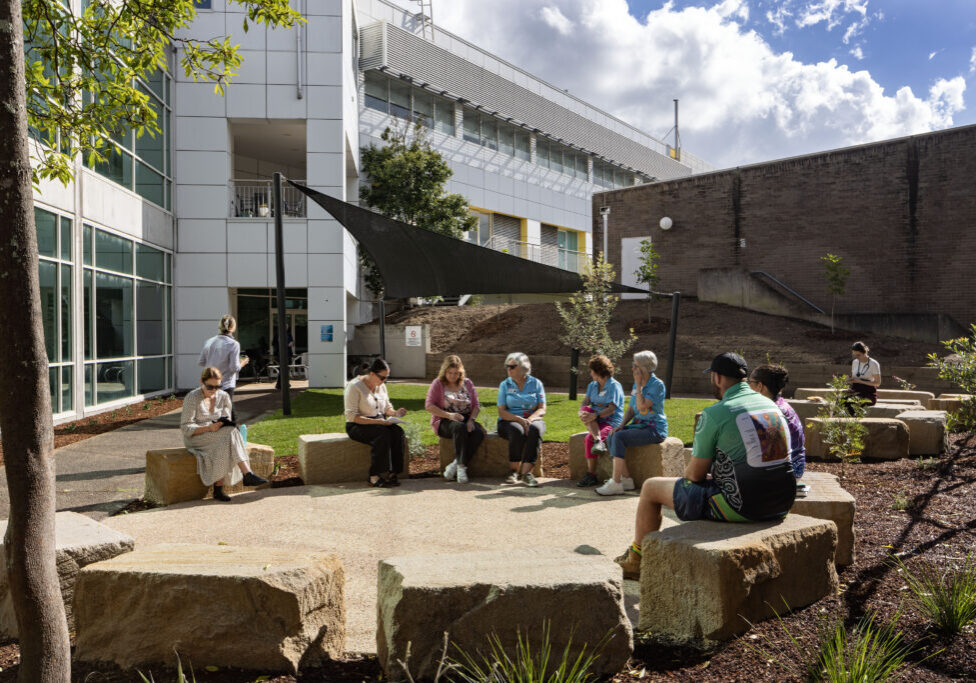
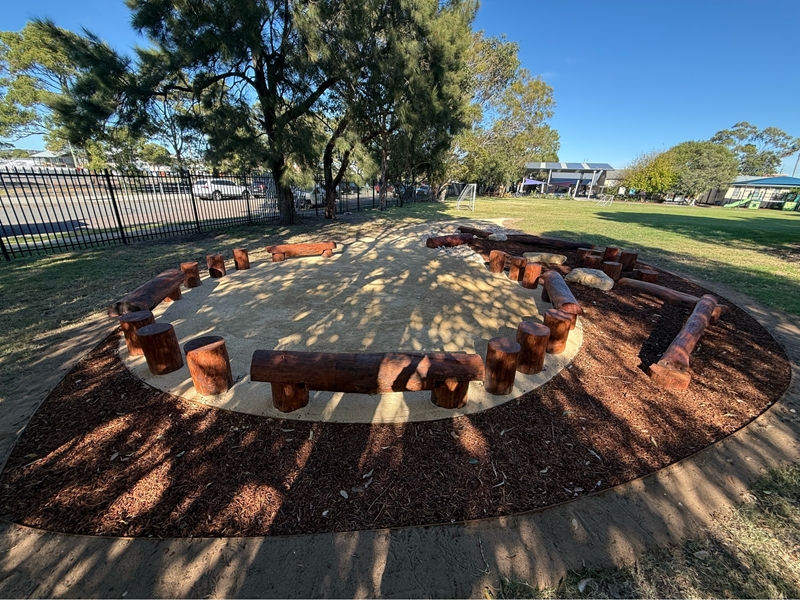
Yarning circles can form part of a wider school landscape and provide dedicated outdoor areas for gathering, conversation, storytelling and learning.
From a landscape planning perspective, these spaces may incorporate timber seating, natural materials, planting and connections with surrounding outdoor areas.
Schools considering a yarning circle should think carefully about its purpose, location, accessibility and relationship with the wider school grounds.
Appropriate consultation with the school community and relevant cultural representatives should also form part of the planning process where required.
Planting And Shade In School Grounds
Planting can significantly influence how a school outdoor environment looks, feels, and functions.
Trees, shrubs, and other planting can help define different areas, soften built environments, provide shade, and create a stronger connection with nature.
When selecting plants for school grounds, consider:
- Site conditions
- Available space
- Mature plant size
- Maintenance requirements
- Irrigation
- Visibility
- Shade requirements
- Existing infrastructure
- The intended use of surrounding areas
Native and locally appropriate planting may also suit the site and objectives.
Rather than treating planting as a finishing touch, it should form part of the broader landscape planning process.
Consider Levels, Drainage And Site Constraints Early
Some of the most important aspects of a school landscaping project are not necessarily the most visually exciting.
Existing levels, drainage, access, pathways, buildings, underground services, and other site conditions can strongly influence what is achievable.
A sloping site, for example, may require careful consideration of how usable areas are created and connected. An area experiencing drainage problems may need those issues resolved before it can successfully become a playground or learning space.
Identifying these constraints early can help prevent costly changes later in the project.
It can also help the design work with the site rather than forcing a concept onto an unsuitable area.
Planning Around Available Funding
School landscaping projects do not always need to be completed in one stage.
For schools relying on P&C fundraising, government grants or annual budgets, project staging can provide a practical pathway towards a larger landscape vision.
Ideally, plan the overall landscape first, then divide it into logical construction stages.
Each stage should deliver a useful, visually complete outcome while allowing future works to connect naturally with what has already been built.
This approach can help avoid removing or redesigning recently completed landscaping when additional funding becomes available.
For more information, read JRL’s guide to staging your landscaping project.
Think About Construction While Planning The Design
School sites present practical construction challenges because the wider campus may remain operational while landscaping works are underway.
Planning should consider:
- Student and staff movement
- Site access
- Separation of construction and occupied areas
- Machinery access
- Material deliveries
- Temporary fencing
- Project staging
- Noise
- School holidays
- Communication with school representatives
Considering these requirements during the design stage can help create a smoother transition from the initial concept into construction.
For schools undertaking more substantial projects, using one school landscaping team across design, documentation and construction can also help maintain continuity throughout the project.
Use A Landscape Plan To Guide Future Improvements
Even if a school cannot complete all proposed works immediately, an overall landscape plan can provide valuable direction for future improvements.
A landscape plan may identify:
- Priority areas
- Future playground spaces
- Outdoor learning opportunities
- Planting areas
- Circulation
- Gathering spaces
- Potential project stages
- Existing site constraints
- Longer term opportunities
This can also give principals and P&Cs something tangible to use when discussing priorities, fundraising and future funding applications.
Learn From Completed School Landscaping Projects
Looking at completed projects can help school communities understand how different design ideas work in real environments.
For example, JRL has delivered projects involving natural play spaces, yarning circles, playground transformations and wider landscape improvements for schools across Newcastle, Maitland and the Hunter Valley.
Explore examples including:
These projects demonstrate how site conditions, available funding, landscape design and construction requirements can come together to create practical outdoor environments for school communities.
Planning Your School’s Outdoor Spaces
Successful school outdoor spaces start with understanding who will use them, how the site currently functions and what the school wants to achieve over the longer term.
Whether the priority is a natural play space, playground transformation, outdoor learning area, yarning circle, or wider grounds improvement, considering design, site conditions, construction requirements, budget, and future stages together can lead to a more cohesive result.
Jason Reading Landscapes provides specialist school landscaping services across Newcastle, Maitland and the Hunter Valley, helping schools move from early ideas and landscape design through to documentation, staging and construction.
Transform Your School Grounds with Expert Landscaping
At Jason Reading Landscapes, we provide high-quality Landscape Design and Landscape Construction services for schools and educational sites. Whether you’re looking to enhance your outdoor learning spaces, playgrounds, or cultural spaces, we have the expertise to bring your vision to life.
Explore our Landscape Design and Landscape Construction pages to see how we create functional, beautiful, and safe outdoor spaces for educational institutions.
Your local Newcastle award-winning Landscaping & Garden Design experts.
Jason Reading Landscapes is a business guided by the philosophy of owner-operator Jason Reading, who believes that an outdoor area should be stylishly designed, functional and sustainable while improving with each season.
Projects
We can transform your outdoor areas into vibrant, functional gardens and living spaces that compliment your natural environment and existing architecture.